Top Causes of Lower Back Pain and How Physical Therapy Can Help
Let Us Help You By Making An Appointment
- March 27, 2026
Lower back pain is one of the most common health complaints worldwide. Millions of people experience discomfort in their lower back at some point in their lives, whether due to injury, poor posture, aging, or lifestyle habits. For many individuals, the pain can range from mild discomfort to severe limitations that affect daily activities such as walking, working, or sleeping.
While pain medications may provide temporary relief, they often do not address the root cause of the problem. This is where physical therapy plays a crucial role. A well-designed physical therapy program can reduce pain, restore mobility, strengthen muscles, and help prevent future injuries.
In this article, we’ll explore the top causes of lower back pain and how physical therapy can help you recover and maintain long-term spinal health.
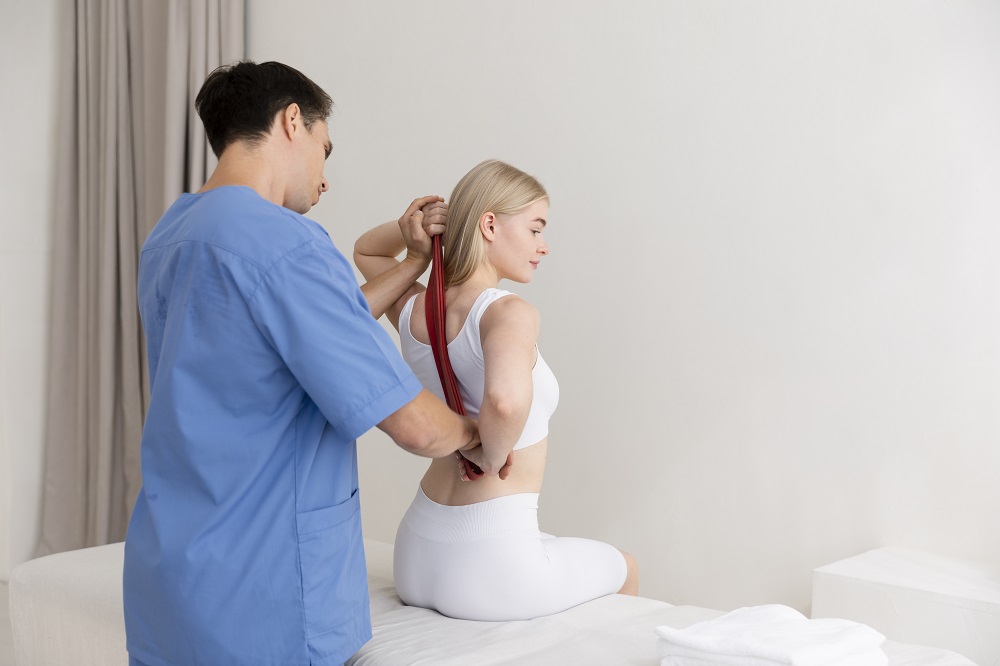
Understanding Lower Back Pain
The lower back, also known as the lumbar spine, supports much of the body’s weight and plays a key role in movement and flexibility. It consists of vertebrae, discs, muscles, ligaments, and nerves that work together to allow bending, twisting, and lifting.
When any part of this complex structure becomes strained, injured, or inflamed, it can lead to lower back pain. In many cases, the pain develops gradually due to everyday habits, while in other situations it may appear suddenly after an injury.
Understanding the cause of your pain is the first step toward effective treatment.
Top Causes of Lower Back Pain
1. Poor Posture
Poor posture is one of the most common contributors to lower back pain. Sitting or standing incorrectly places extra pressure on the spine and surrounding muscles.
Common posture problems include:
- Slouching while sitting
- Hunching over phones or computers
- Sitting for long periods without support
- Improper workstation setup
Over time, poor posture can lead to muscle imbalances and spinal strain, causing chronic pain.
How Physical Therapy Helps
Physical therapists evaluate your posture and movement patterns to identify harmful habits. Treatment may include:
- Postural correction exercises
- Core strengthening programs
- Ergonomic recommendations for workspaces
- Stretching techniques to relieve muscle tension
By correcting posture and strengthening supportive muscles, physical therapy helps reduce strain on the lower back.
2. Muscle Strain or Ligament Sprain
Muscle strains and ligament sprains occur when muscles or ligaments are stretched beyond their normal limits. This often happens due to:
- Lifting heavy objects incorrectly
- Sudden twisting movements
- Sports injuries
- Overuse during physical activity
Symptoms typically include stiffness, limited movement, and localized pain in the lower back.
How Physical Therapy Helps
Physical therapy focuses on restoring strength and flexibility to the injured area. Treatment may involve:
- Targeted stretching exercises
- Strengthening the core and back muscles
- Manual therapy techniques
- Guided movement training
These therapies reduce inflammation, improve circulation, and accelerate healing.
3. Herniated or Bulging Discs
Between each vertebra in the spine are soft discs that act as cushions and shock absorbers. When a disc bulges or ruptures, it can press against nearby nerves, causing pain, numbness, or tingling sensations.
This condition is often associated with:
- Aging and disc degeneration
- Heavy lifting
- Repetitive movements
- Poor posture over time
Pain from a herniated disc may radiate down the legs, a condition often referred to as sciatica.
How Physical Therapy Helps
Physical therapy is often one of the first treatments recommended for disc-related pain. Therapists use specialized techniques such as:
- Spinal stabilization exercises
- Stretching to relieve nerve pressure
- Core strengthening
- Postural correction
These approaches help reduce pressure on the affected disc and promote spinal alignment.
4. Sedentary Lifestyle
Modern lifestyles often involve long hours of sitting, whether at desks, in cars, or on couches. Lack of movement weakens the muscles that support the spine.
When these muscles become weak, the lower back must work harder to maintain stability, which can lead to pain and stiffness.
How Physical Therapy Helps
Physical therapists create customized exercise programs designed to increase strength, flexibility, and endurance. These programs typically include:
- Core strengthening exercises
- Hip and lower body strengthening
- Mobility and stretching routines
- Functional movement training
Improving muscle strength and mobility helps support the spine and reduces the risk of recurring pain.
5. Sciatica
Sciatica occurs when the sciatic nerve, which runs from the lower back down through the legs, becomes compressed or irritated. This can cause symptoms such as:
- Sharp or burning pain in the lower back
- Pain radiating down one leg
- Tingling or numbness in the leg or foot
- Weakness in the affected leg
Sciatica often develops due to herniated discs, spinal stenosis, or muscle tightness.
How Physical Therapy Helps
Physical therapy helps relieve pressure on the sciatic nerve through targeted treatments such as:
- Nerve mobilization exercises
- Stretching the hamstrings and hip muscles
- Core stabilization training
- Manual therapy for spinal alignment
These treatments can significantly reduce nerve irritation and improve mobility.
6. Degenerative Disc Disease
As people age, spinal discs gradually lose hydration and elasticity. This natural aging process is known as degenerative disc disease.
When discs become thinner or less flexible, they may not absorb shock effectively, leading to stiffness and pain in the lower back.
How Physical Therapy Helps
While aging cannot be reversed, physical therapy can help manage symptoms and improve spinal support through:
- Strengthening surrounding muscles
- Improving flexibility and posture
- Teaching proper movement techniques
- Reducing pressure on spinal structures
These interventions help maintain spinal health and improve quality of life.
7. Improper Lifting Techniques
Many people injure their lower backs by lifting objects incorrectly. Bending at the waist instead of the knees can place extreme pressure on the lumbar spine.
Common mistakes include:
- Twisting while lifting
- Lifting objects that are too heavy
- Using the back instead of the legs for support
These actions can strain muscles, ligaments, and discs.
How Physical Therapy Helps
Physical therapists teach safe lifting techniques and body mechanics. Patients learn how to:
- Lift using the legs instead of the back
- Maintain proper spinal alignment
- Engage core muscles during lifting
- Avoid movements that cause strain
Learning proper techniques can prevent future injuries.
Benefits of Physical Therapy for Lower Back Pain
Physical therapy is considered one of the most effective non-surgical treatments for lower back pain. It addresses the underlying causes rather than simply masking symptoms.
Key benefits include:
1. Pain Reduction
Manual therapy, stretching, and strengthening exercises help relieve pressure on the spine and reduce inflammation.
2. Improved Mobility
Targeted exercises increase flexibility and restore normal movement patterns.
3. Stronger Core Muscles
A strong core provides better support for the spine, reducing the risk of injury.
4. Injury Prevention
Physical therapists educate patients about posture, movement, and lifestyle changes that prevent recurring pain.
5. Reduced Need for Medication
By addressing the root cause of pain, physical therapy often reduces reliance on pain medications.
What to Expect During Physical Therapy Treatment
If you visit a physical therapist for lower back pain, your treatment plan will typically begin with a comprehensive evaluation. The therapist will assess:
- Posture and spinal alignment
- Range of motion
- Muscle strength
- Movement patterns
- Pain triggers
Based on this assessment, a personalized treatment plan will be created.
Treatment may include:
- Therapeutic exercises
- Stretching programs
- Manual therapy techniques
- Posture and ergonomic education
- Home exercise programs
Consistency is key to achieving the best results.
Tips to Prevent Lower Back Pain
In addition to physical therapy, certain lifestyle habits can help keep your back healthy.
Maintain Good Posture
Sit and stand with your shoulders back and spine aligned.
Stay Active
Regular exercise strengthens muscles that support the spine.
Use Proper Lifting Techniques
Always lift with your legs and keep objects close to your body.
Stretch Regularly
Stretching keeps muscles flexible and prevents stiffness.
Strengthen Your Core
Strong abdominal and back muscles provide essential spinal support.
When to Seek Professional Help
While occasional back pain is common, persistent pain should not be ignored. You should seek professional help if you experience:
- Pain lasting longer than a few weeks
- Pain that radiates down the legs
- Numbness or tingling sensations
- Difficulty standing, walking, or bending
- Severe or worsening discomfort
Early treatment can prevent minor issues from developing into serious conditions.
Final Thoughts
Lower back pain can significantly affect your comfort, mobility, and daily activities. Fortunately, many of the most common causes such as poor posture, muscle strain, and sedentary habits can be effectively treated through physical therapy.
By addressing the underlying causes of pain, physical therapy helps restore movement, strengthen supportive muscles, and prevent future injuries. With the right treatment plan and consistent care, many individuals experience lasting relief and improved quality of life.
If you are struggling with persistent lower back pain, consulting a qualified physical therapist can be an important step toward recovery and long-term spinal health.
FAQs
1. What is the most common cause of lower back pain?
The most common causes of lower back pain include poor posture, muscle strain, herniated discs, sedentary lifestyle, and improper lifting techniques. These issues can put excessive pressure on the spine and surrounding muscles, leading to discomfort and reduced mobility.
2. Can physical therapy help relieve lower back pain?
Yes, physical therapy is one of the most effective treatments for lower back pain. A physical therapist uses targeted exercises, stretching techniques, and manual therapy to reduce pain, strengthen muscles, improve posture, and restore mobility.
3. How long does it take for physical therapy to improve lower back pain?
The recovery time varies depending on the cause and severity of the pain. Many patients notice improvement within a few weeks of consistent physical therapy sessions, while chronic conditions may require longer treatment plans.
4. What exercises are recommended for lower back pain?
Common exercises recommended by physical therapists include core strengthening exercises, gentle stretching, pelvic tilts, bridges, and low-impact activities like walking or swimming. These exercises help stabilize the spine and reduce strain on the lower back.
5. When should I see a physical therapist for lower back pain?
You should consider seeing a physical therapist if your lower back pain lasts more than a few weeks, worsens over time, radiates down the legs, or interferes with daily activities such as walking, sitting, or sleeping.