Knee Pain After Running or Walking? Here's What's Causing It and How Physical Therapy Can Help
- May 12, 2026
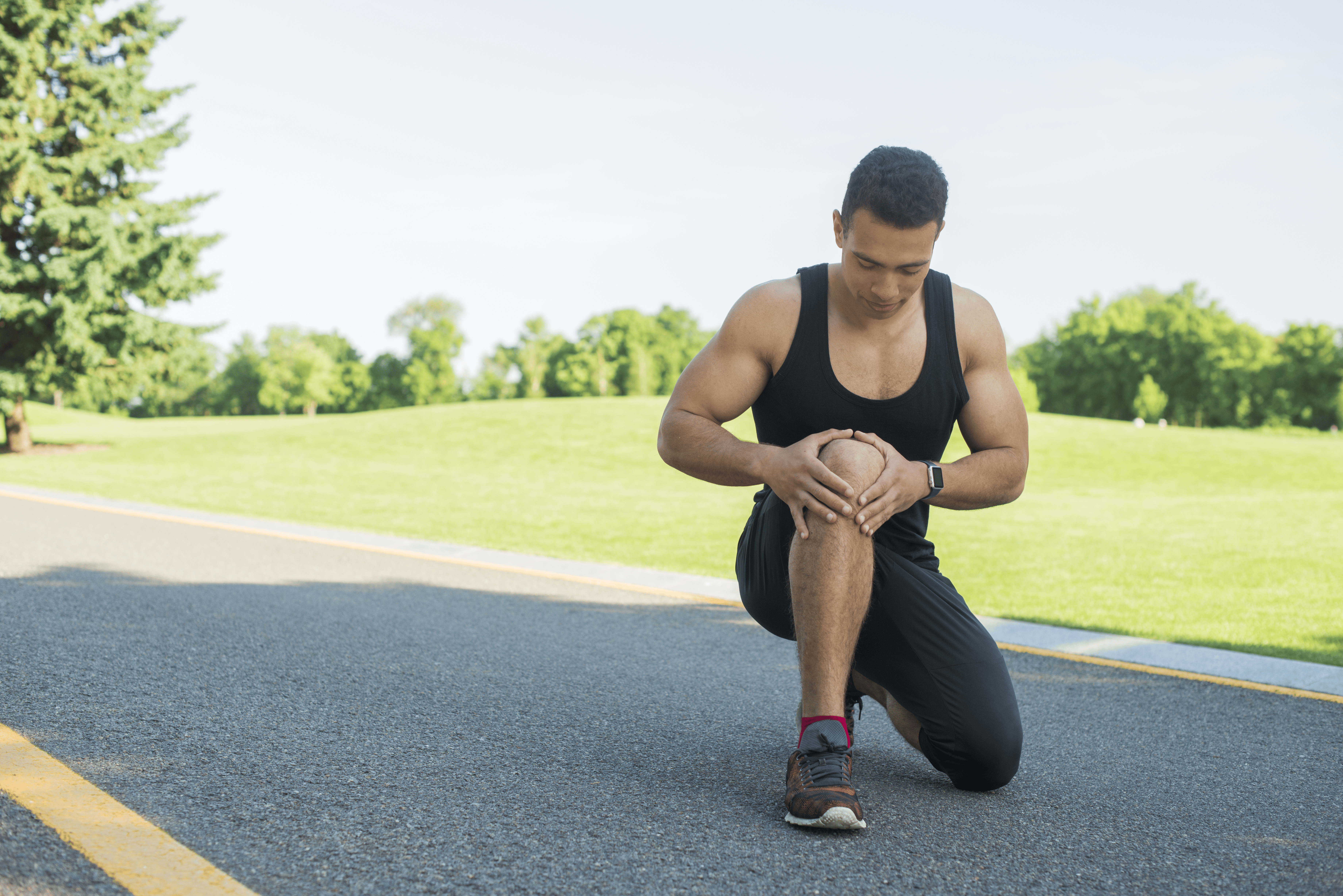
You finish your morning run or a long walk around the neighborhood, sit down to rest, and feel it again: that familiar ache in your knee. Maybe it’s a dull throb around the kneecap, a sharp burn on the outer side of your leg, or a stiffness that makes standing back up feel like a challenge. If this sounds familiar, you are not alone.
Knee pain after running and walking is one of the most common complaints among active adults, but here is the good news: in most cases, it is completely treatable without surgery. Understanding what is causing your pain is the first step, and physical therapy is often the most effective solution to get you back on your feet.
Why Does Knee Pain Happen After Running or Walking?
The knee is a complex joint built from bones, cartilage, tendons, ligaments, and surrounding muscles that all work together with every step you take. When you run, your knees absorb and react to high levels of force repeatedly, often for long durations. That repeated loading is why the knee is so vulnerable to overuse injuries.
Pain after running or walking is usually a signal, not a random occurrence. It typically points to irritation in a specific structure of the knee, and the location of your pain is one of the biggest clues about what is going on. Front-of-knee pain often signals a kneecap issue, outer-knee pain often points to the IT band, and pain just below the kneecap is frequently linked to the patellar tendon.
Common Causes of Knee Pain After Running or Walking
1. Runner’s Knee (Patellofemoral Pain Syndrome)
Runner’s knee is the most common cause of knee pain in runners. It refers to pain around or behind the kneecap caused by irritation of the cartilage beneath it. The kneecap acts as a fulcrum every time your knee bends, so it absorbs significant force during running and even during activities like climbing stairs or squatting.
Symptoms include:
- Dull ache around or behind the kneecap
- Pain that worsens going downstairs or after sitting for long periods
- Discomfort that increases as running intensity or distance increases
This condition is especially common in people who have recently ramped up their training or returned to running after a break.
2. IT Band Syndrome (ITBS)
The iliotibial band is a thick strip of tissue that runs from the hip down the outer thigh and attaches just below the knee. When it becomes tight or inflamed, it rubs against the outside of the knee with every stride, creating a sharp or burning pain on the outer side of the knee.
Symptoms include:
- Pain on the outer side of the knee that typically starts during a run and worsens with continued activity
- A clicking or snapping sensation near the knee
- Tenderness when pressing on the outside of the knee
IT band syndrome is extremely common in runners who suddenly increase their weekly mileage or who run on banked or uneven surfaces.
3. Patellar Tendinitis (Jumper’s Knee)
Patellar tendinitis causes pain just below the kneecap, where the tendon connects the kneecap to the shinbone. It develops from repetitive stress on the tendon, leading to inflammation and micro-damage over time.
Symptoms include:
- Sharp or aching pain directly below the kneecap
- Pain with running, jumping, pushing off the ground, or going downstairs
- Stiffness in the knee after rest
4. Muscle Weakness or Imbalance
Weak hips by pain, glutes, quadriceps, or core muscles change the way your knee tracks during movement. When these supporting muscles fail to do their job, the knee takes on more stress than it should with every step. This is actually the root cause behind many cases of runner’s knee and IT band syndrome, which is why physical therapy focuses on the entire lower body, not just the knee itself.
5. Training Errors
Sudden increases in mileage, speed, or training frequency are among the most common reasons knee pain develops. Running on worn-out shoes or uneven terrain adds further stress to the joint. A general guideline is to increase your weekly mileage by no more than 10% at a time to allow the knee tissues to adapt.
Knee Pain While Walking vs. After Running: Is There a Difference?
The timing of your knee pain gives important information about its severity. Pain that only appears after your run has finished may indicate early-stage overuse, which is still worth addressing but tends to respond well to treatment when caught early.
Pain that appears while walking, not just running, often signals a more advanced condition that deserves prompt evaluation. If your knee hurts during normal daily activities like walking to the car, climbing stairs, or getting up from a chair, do not wait to seek help.
Ask yourself these quick questions:
- When does the pain start: during activity, immediately after, or hours later?
- Where exactly is the pain: front, outer side, below the kneecap, or inside the joint?
- Does it go away completely with rest, or does it linger?
Your answers will help your physical therapist pinpoint the exact cause faster.
Warning Signs You Should See a Physical Therapist
Mild soreness after a run can be normal. However, certain signs indicate it is time to book an appointment rather than push through:
- Pain that persists for more than 5 to 7 days despite rest
- Visible swelling, warmth, or stiffness in the knee joint
- Pain that worsens over time rather than improving with rest
- A popping or clicking sensation when the pain started
- Knee pain that returns every time you run, walk, or exercise
- Difficulty climbing stairs, squatting, or fully bending the knee
- Pain that changes your stride or causes you to limp
One important point: you do not need a physician referral to see a physical therapist. You can schedule an appointment directly, and a PT-first approach resolves the majority of knee pain conditions without the need for surgery or imaging.
How Physical Therapy Treats Knee Pain After Running
At Physical Therapy of SA, our team in Live Oak, TX does not simply manage your symptoms. We identify the root cause of your knee pain and build a personalized treatment plan designed to get you back to running, walking, and living without limitations.
Gait and Movement Analysis
Your physical therapist will observe how you walk and run to identify biomechanical faults. Overpronation, a hip drop, or an inefficient stride can all place excess stress on the knee. Correcting these movement patterns is a critical part of long-term recovery.
Targeted Strengthening Exercises
The focus goes beyond the knee itself. Strengthening the quadriceps, hamstrings, glutes, and hip abductors gives the knee joint proper support and reduces strain with every step. Exercises commonly used include clamshells, lateral band walks, single-leg squats, wall sits, and glute bridges.
Manual Therapy and Soft Tissue Techniques
Hands-on techniques help reduce tightness in the IT band, quadriceps, calves, and surrounding tissues. Manual therapy improves joint mobility and reduces pain faster than exercise alone.
Return-to-Running Program
Your physical therapist creates a phased, progressive plan to bring you back to running safely. Rather than stopping activity completely and then restarting at full intensity, this graduated approach lets your knee tissues adapt gradually and prevents re-injury.
Taping and Bracing When Needed
Kinesiology tape applied over the kneecap can offload pressure from the joint and reduce pain during activity. Bracing may be recommended for select conditions to provide additional support during recovery.
How to Prevent Knee Pain When Running or Walking
Prevention is far easier than recovery. These habits help protect your knees long-term:
- Always warm up with dynamic movements before running, such as leg swings, hip circles, and walking lunges
- Follow the 10% rule: never increase your weekly mileage by more than 10% at a time
- Strengthen your hips, glutes, and core consistently, not just when pain appears
- Replace running shoes every 300 to 500 miles, as worn-out cushioning increases knee stress
- Run on softer terrain like dirt trails or a track when possible to reduce impact
- Listen to your body: sharp or persistent pain is a signal to stop and evaluate, not push through
Get Back to Running Pain-Free in San Antonio
Knee pain after running or walking is common, but it is not something you have to live with or simply train through. Most causes respond extremely well to physical therapy, especially when treated early before the condition worsens.
At Physical Therapy of SA, our licensed physical therapists at our Live Oak, TX clinic specialize in diagnosing the exact source of your knee pain and building a treatment plan tailored to your activity level, goals, and lifestyle. Whether you are a daily runner, a casual walker, or a weekend athlete, we are here to help you move better and feel stronger.
Call us at 210-714-0812 or book your appointment online today. Same-week appointments are available.
FAQs
Q1: Is it okay to keep walking with knee pain after running?
Mild soreness may allow for light walking, but if the pain changes your gait, causes a limp, or does not improve with rest, it is best to stop and get evaluated by a physical therapist before it progresses.
Q2: How long does runner's knee take to heal with physical therapy?
Most patients notice significant improvement within 4 to 6 weeks of consistent physical therapy. Mild cases can improve faster, while more advanced conditions may take longer depending on how the knee responds to treatment.
Q3: What exercises should I avoid if I have knee pain?
Avoid deep squats, lunges, downhill running, stairs, and any exercise that reproduces your pain until you have been evaluated. Your physical therapist will guide you on safe movements during recovery.
Q4: Can physical therapy fix knee pain without surgery?
In the majority of cases, yes. Conditions like runner’s knee, IT band syndrome, and patellar tendinitis respond very well to physical therapy without requiring any surgical intervention.